Arbitrage Outpost
Sept 30 – Oct 14, 2024
Tuchmacherstrasse 34, Zurich
inkjetprints, slide negatives, cast concrete, plastic tags
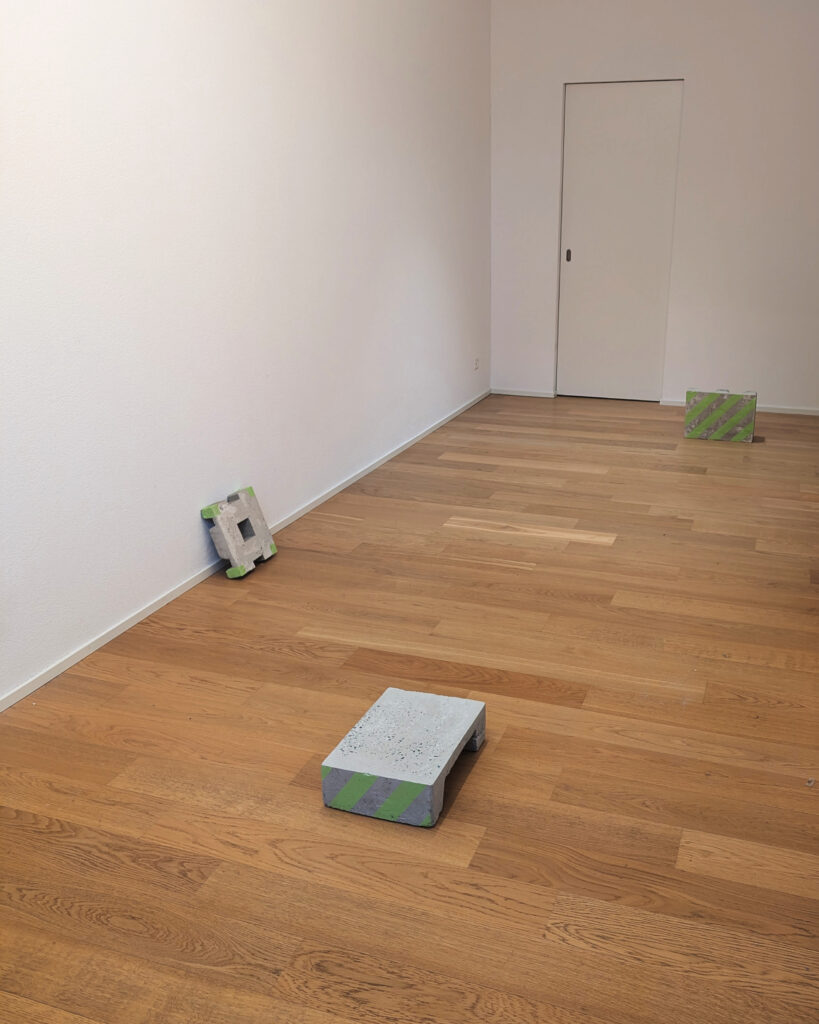
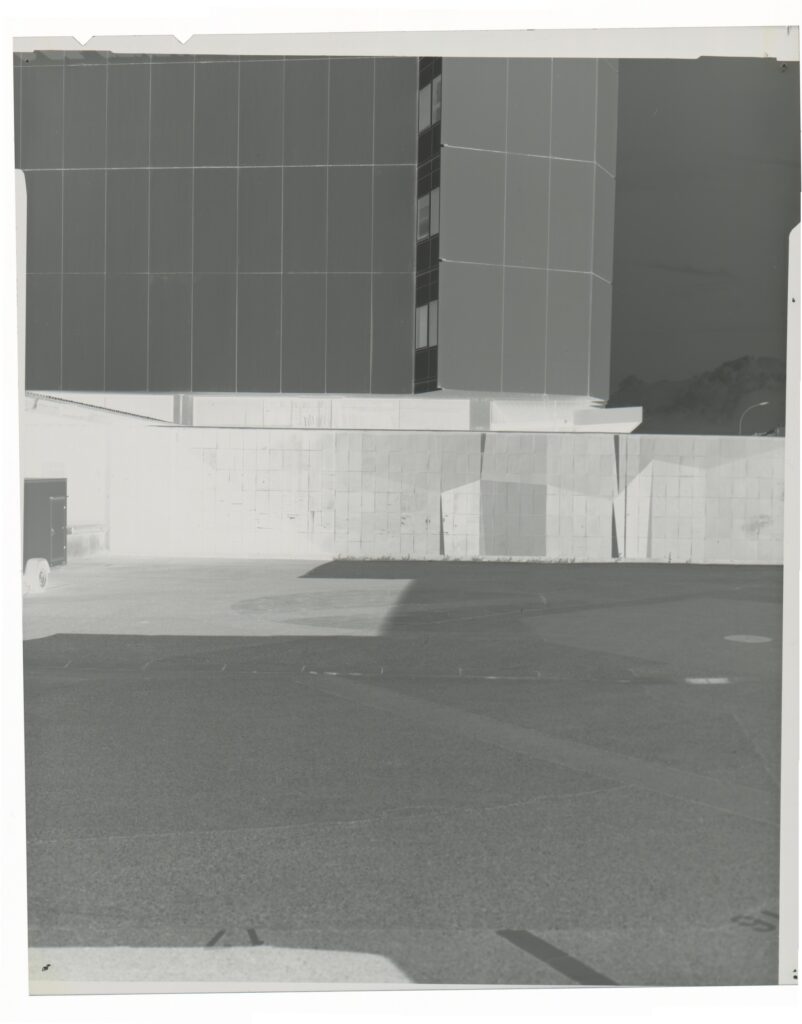
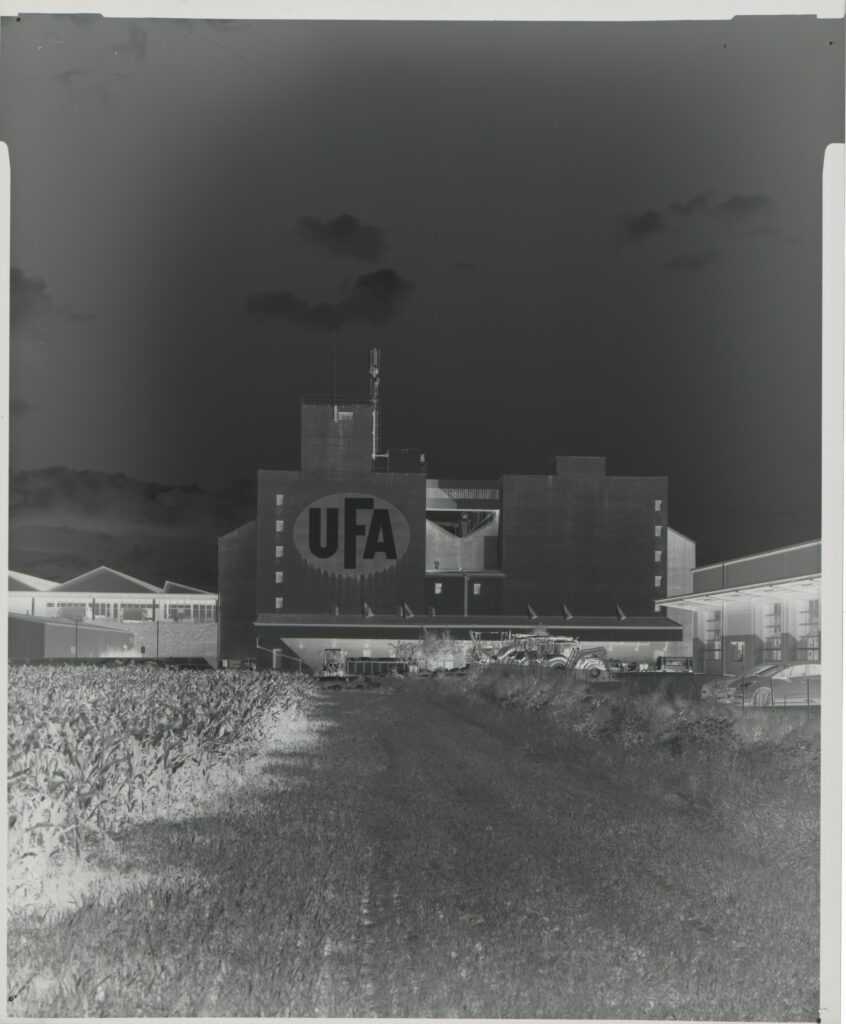
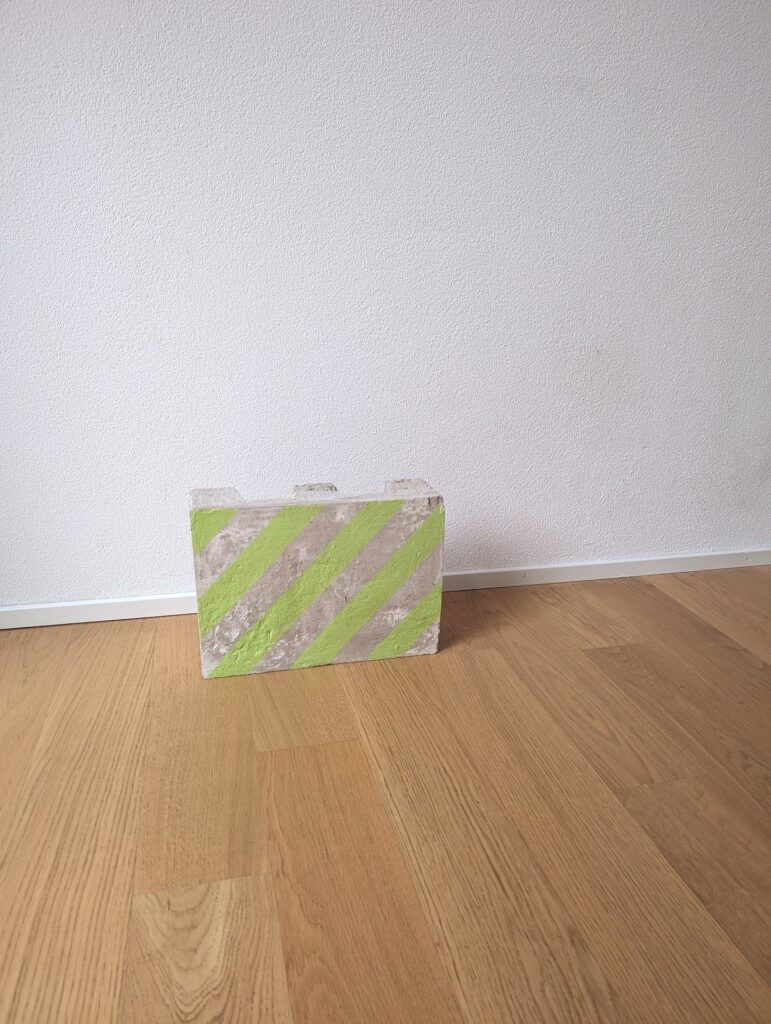
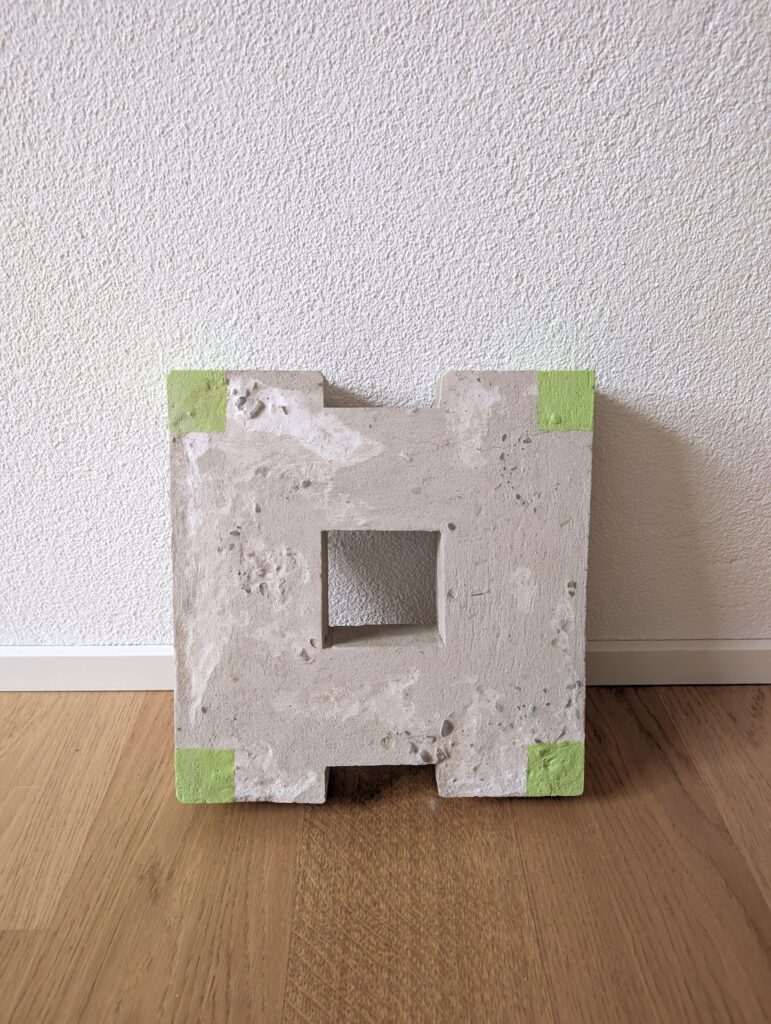
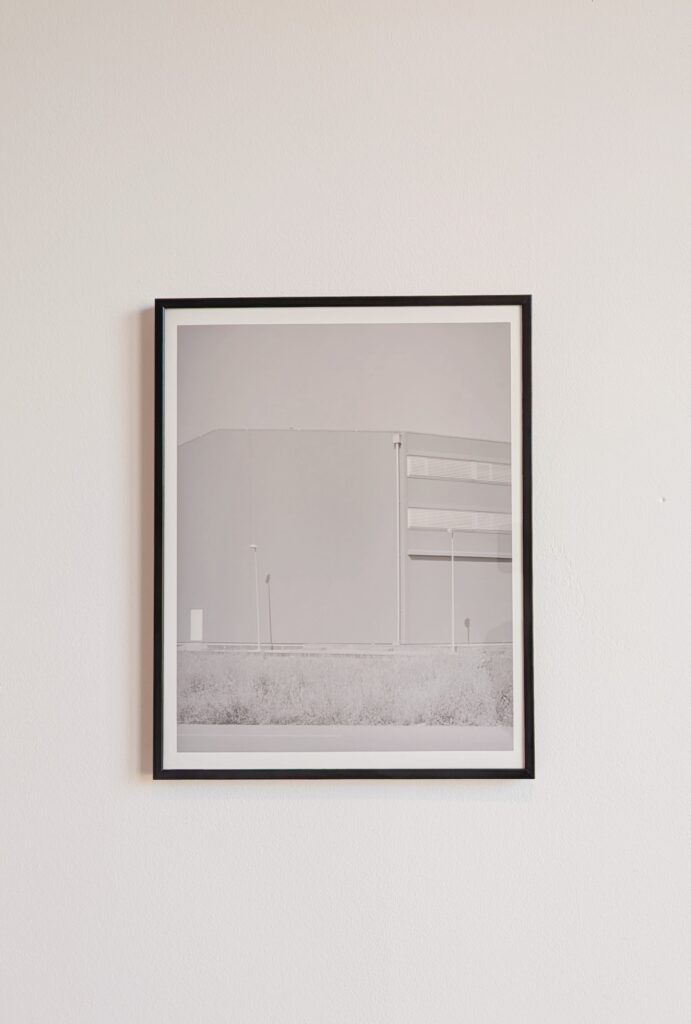
Labelling Machine
Sept 9 – Sept 15, 2024
Otto-Wagner-Areal, Parallel Vienna
Blender model, leaflet, acrylic
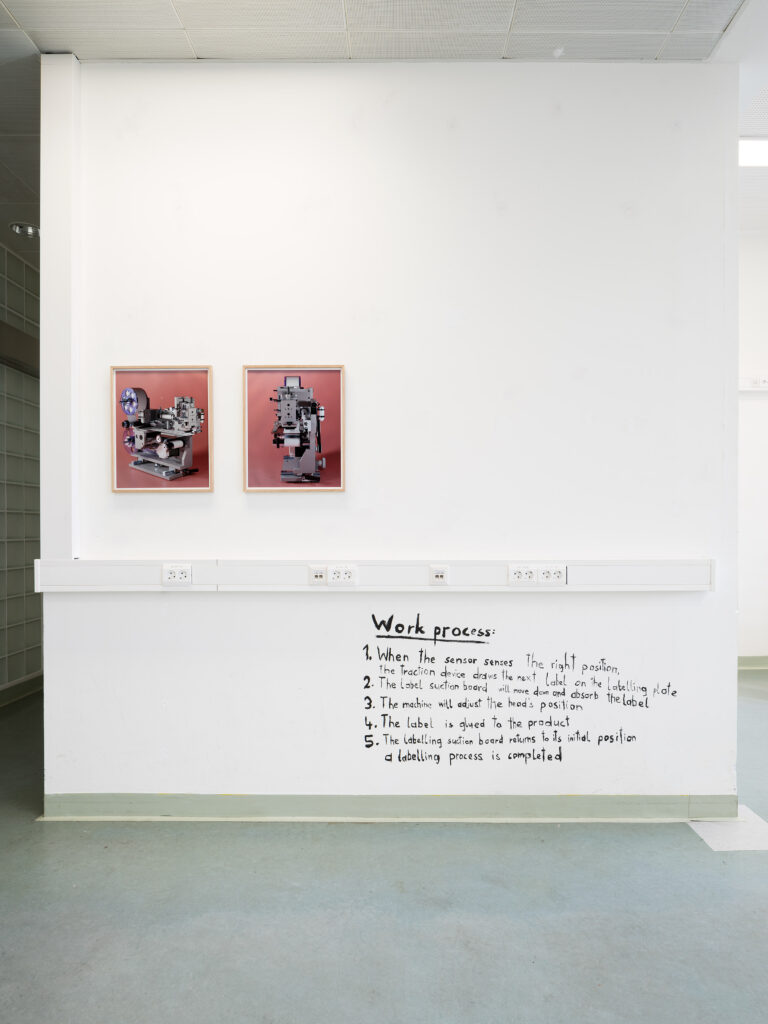
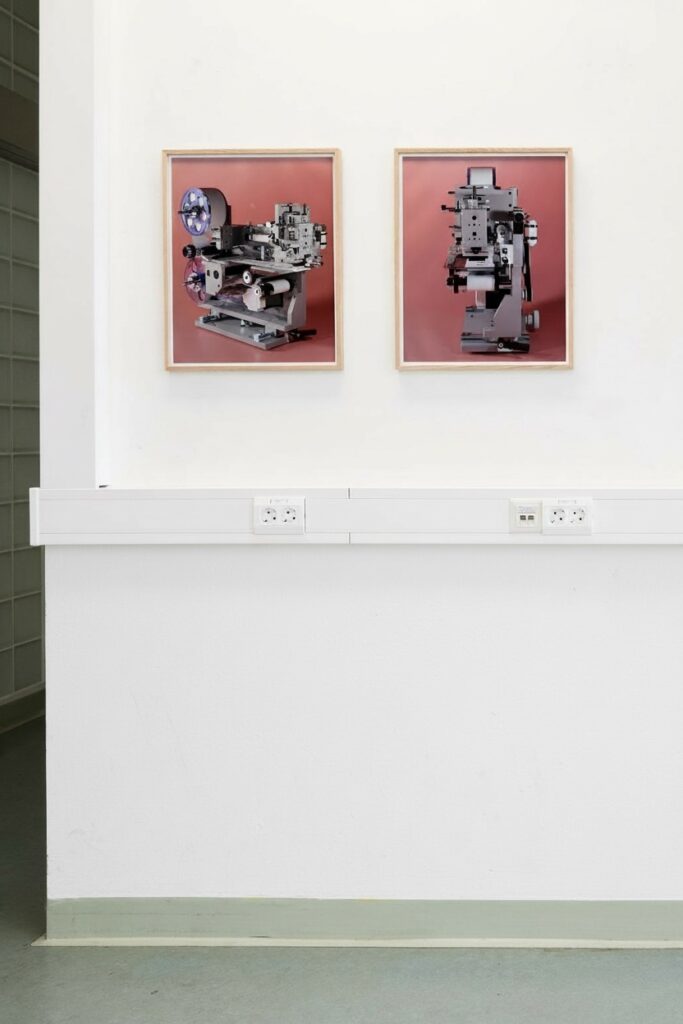
The industrial-grade labelling machine is a machine frequently encountered at logistics hubs or in manufacturing. In dedicated customs free zones, labelling machines often serve as a tool for convenient repackaging. Labelling machines share an odd relationship with the product to which they attach a label to: they are bound to it by form, as the machine must match the container to be labeled to achieve a high degree of efficiency. Somehow ironically, the machine, by attaching a sticker, gives a unique identity (and often a price) to an abstract form, ultimately conferring the status of a consumer commodity, soon to be shipped out for profit.
Rationale & Outloook (or: Return of the Repressed)
May 30 – June 25, 2021
Henry Art Gallery, Seattle
Wooden boards (HDF/MDF/OSB/melamine/particle), screws, wood filler, plastic bag, hinges, felt pads,
UV print on sheet aluminum
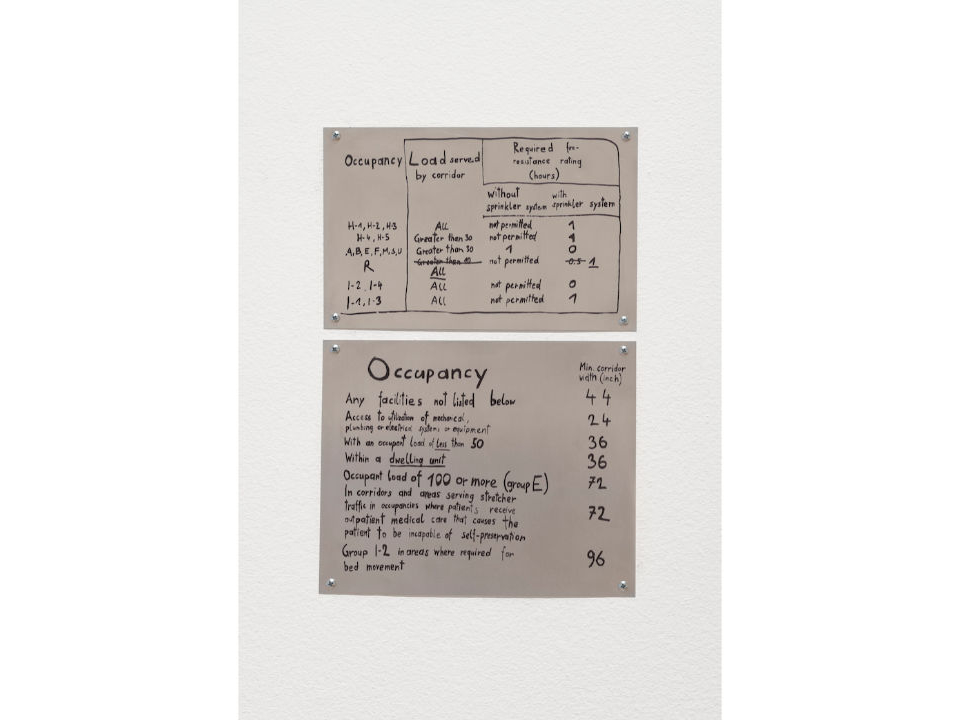
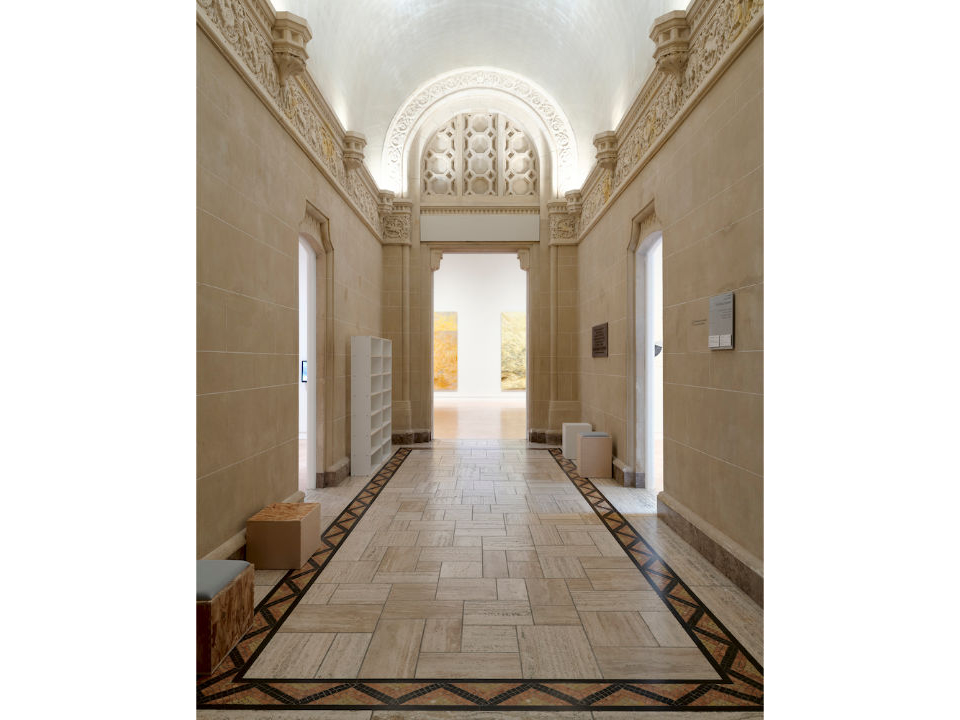
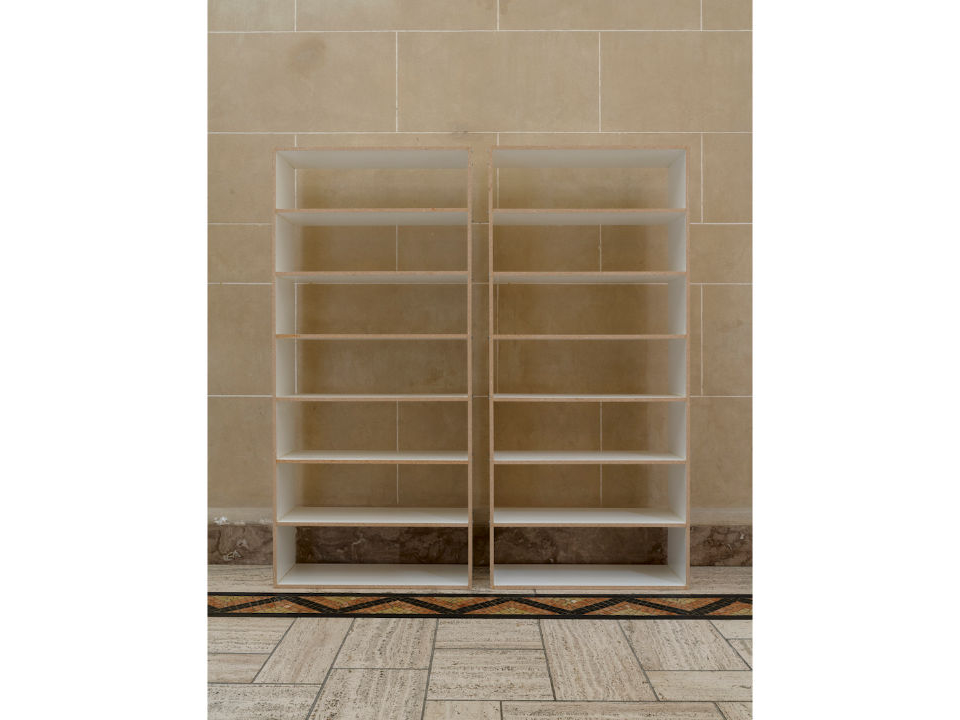
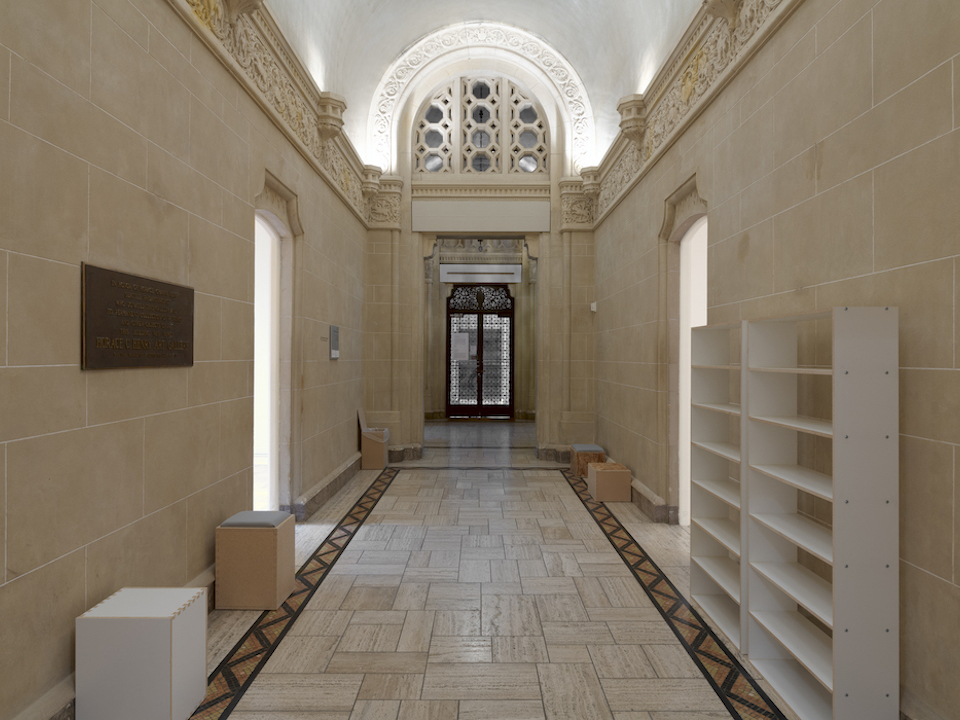
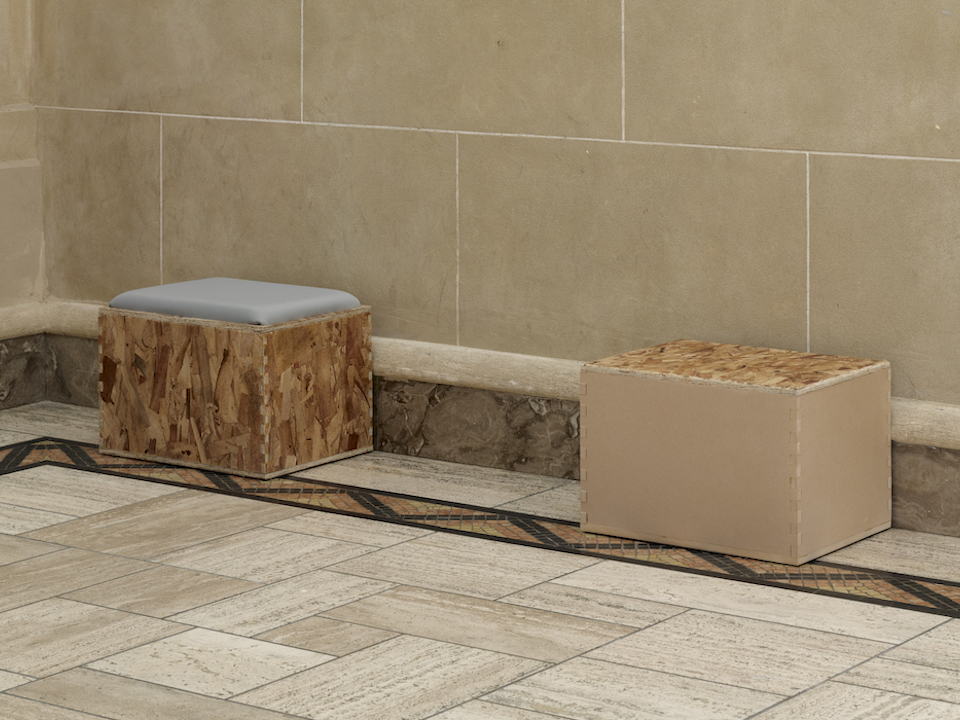
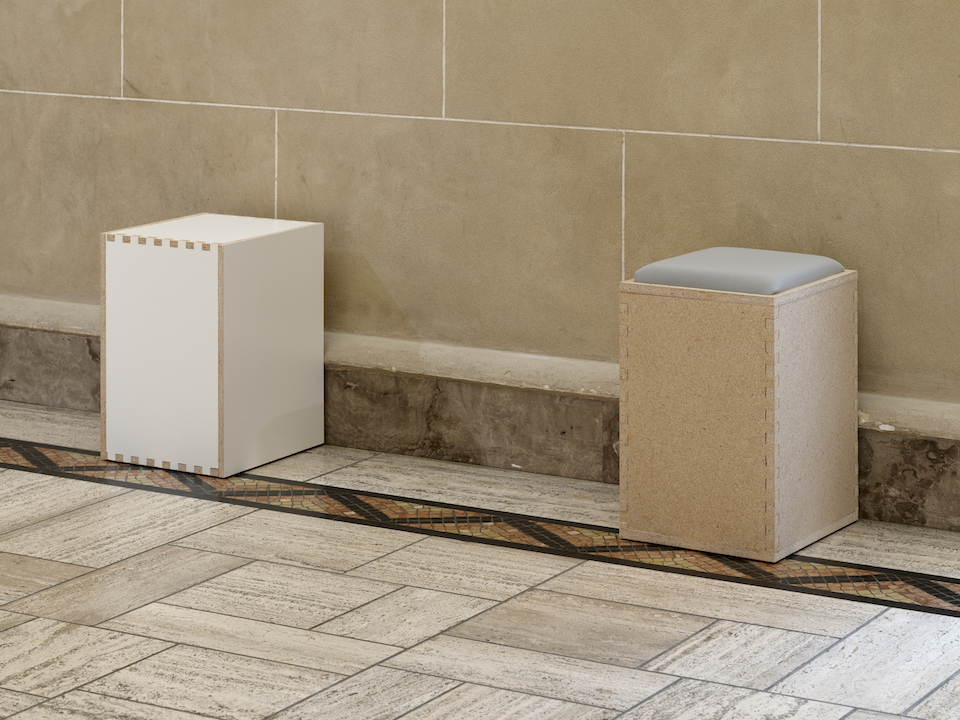
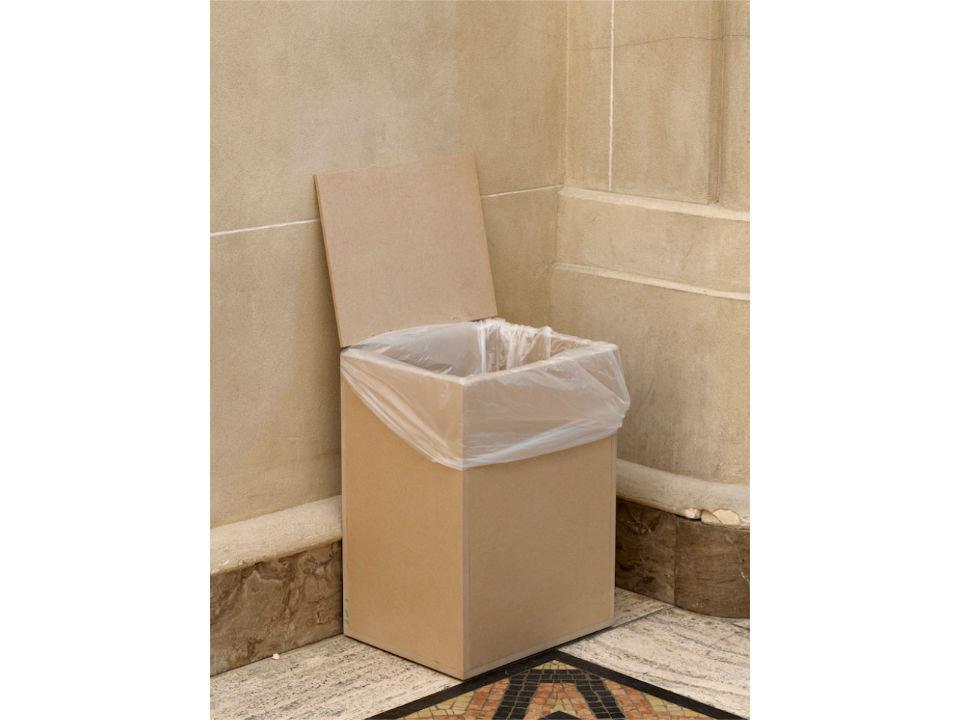
Return of the Repressed
Before the corridor was to be represented as an oppressive instrument of rationality, it served as a tool of modernity, being more than a passage, but a destination. In the 14th century the word corridor did not refer to a physical space but rather to a messenger, a carrier of crucial information, a fleet-footed negotiator. Later on, the idea of the corridor was strongly tied to institutions, whose chambers would be placed alongside its central axis.
The early 19th century introduced corridors on a grand scale in town halls, courthouses, city halls and state houses both in the U.S. and in Europe. By proposing an in-between space between the public and the private, they would minimise awkward contact outside of one’s peerage. They would link the institution in which they were housed to the outside world both in real and symbolic terms1. They encoded the building with the terminology of messages and masculine power brokerage. For soviet thinkers, corridors in architecture had a different function — they promised to be a forum, a setting of collective functions and social exchanges. Corridors were a social place, central for models of modernist housing like Le Corbusier’s Unité d’habitacion, enabling easy access to the public areas of the grid-like arrangement of similar apartments within the building complex.
While the corridor turned out to be more than a tool of social separation, its utopian moment ultimately waned. One of its key problems turned out to be: ventilation. A corridor is after all the intersection or the common ground between several different chambers, which might be lacking proper circulation of light, air, or critical thought.
Architects came to associate corridors with everything that is bad about modern architecture. Corridors came to be associated with Victorian prisons, workhouses, asylums, and the dark corners of concrete housing estates lacking social perspective. A group of architects in 1968 declared the corridor as dysfunctional because they would represent bureaucracy and monotony. In office design, corridors were ultimately surpassed by the open plan office landscape, a fragmented scatterplot of productivity.
Architects will now try to avoid the corridic space, that was once thought of as transformative, at all costs. The corridor’s association with modernity and its geopolitical ambitions however remain. Migration corridors promise to guarantee safe transport in a quite possibly hostile terrain. Pipeline corridors enshrine the rights-of-way in an argument related to public versus private interests. Despite their dubious reputation, corridors have also made somewhat of a return in architecture — they live on in sewage outlets, back-room service shafts and fire exits. They are enshrined in the means of egress of buildings soon-to-be built while lingering on in their old forms in buildings like schools, universities and courthouses.


Nobody’s Thing (or: How to go about for finding eggs)
Oct 28 – Nov 14, 2020
Jacob Lawrence Gallery, Seattle
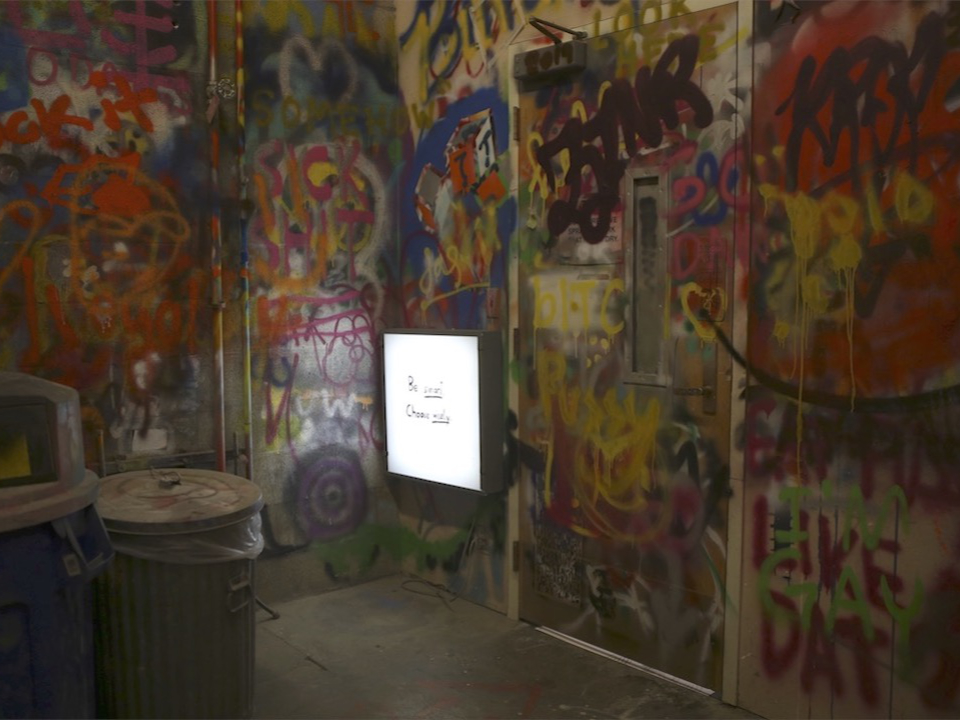
vinyl mesh flag, wooden boards, stamps